
A Major Danger: Plastic Waste!
A Major Danger: Plastic Waste!
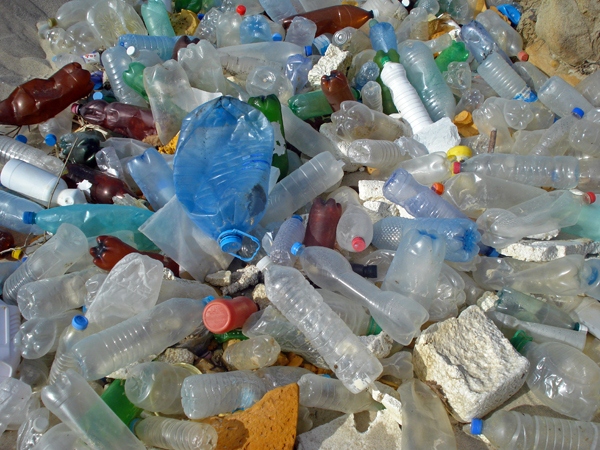
Plastic waste makes up 60% to 80% of marine debris.
It is estimated that between 100 and 150 million tons of plastic waste float in oceans and seas. An additional 6.5 million tons are added each year. According to the UN Environment Programme, there are an average of 13,000 pieces of plastic per square kilometer in the open sea. Currents distribute this waste to every corner of the world.
When plastics reach the sea as waste, their high decomposition temperatures and resistance to ultraviolet rays and bacteria allow them to survive in the oceans for centuries, posing significant threats to humans, wildlife, and ecosystems.
When plastics are subjected to physical abrasion, they gradually break down into much smaller particles called microplastics (less than 5mm in radius). Most of these are synthetic fibers from textiles or catalyst particles from detergent, cosmetic, and chemical production, plastic bag particles (including those that are 100% biodegradable), particles that wear down from tires, and plastic waste released from grinding and chipping processes. These microplastic wastes are carried into rivers and seas by sewage or rainwater.
Why is plastic waste a problem?
It's a threat to the natural environment and ecosystem:
• Microplastic waste floating in the water is ingested by many different organisms. The toxic substances within them become a link in the food chain through marine life that swallows these particles, and can even reach humans. Separating these invisible plastics from microscopic marine organisms and cleaning the ocean of this pollutant is not easy at all.
• Macroplastic waste particles that reach the seas can cause death or suffering to marine mammals, sea turtles, reptiles, fish, and seabirds that mistake them for food. For example, turtles can eat plastic bags mistaking them for jellyfish; birds can feed themselves and their young with plastics mistaking them for fish eggs or crabs. Animals whose stomachs are filled by eating waste suffer from starvation and die from malnutrition. The ingested materials can also block the respiratory tract, causing death from suffocation. ( Click here
to watch the documentary about tens of thousands of baby albatrosses that died after eating plastic waste mistaking it for food )
• Marine mammals, including sea turtles, can become entangled in fishing nets left in the sea. While this entanglement doesn't necessarily result in death, it can cause profound suffering for these animals.
( Click here to watch a sperm whale being rescued from fishing nets )
It is a threat to human health:
• Plastic waste in the sea and on coastlines can lead to the spread of harmful chemicals that threaten human health, causing injuries and the spread of infectious diseases.
It negatively impacts the economy:
• Cleaning beaches and seas can be very costly, especially in remote areas where transportation is difficult or infrastructure is lacking.
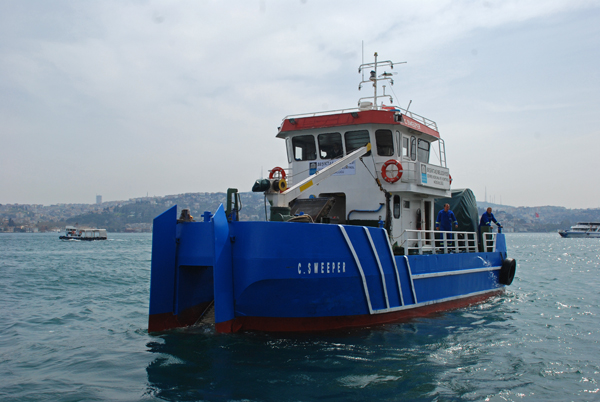
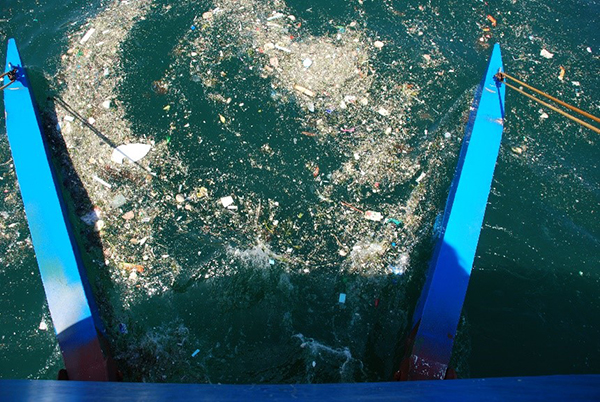
Polluted seas and beaches don't attract tourists. Fewer tourists mean less income for coastal communities.
• Plastic and other waste released into the sea entangles propellers and anchors, causing costly, and perhaps irreparable, damage to boats.
• Every harm caused by plastic and other waste to the functioning of the ecosystem and the services people provide affects people's livelihoods.
It travels long distances:
Plastic and other solid waste can travel far from their source, carried by ocean currents, waves, winds, and flows. It's even possible to see this waste in pristine areas where people have never lived.
Long-lasting:
Plastic waste threatens natural life, ecosystems, and human health for decades, even centuries.
• Fishing line: 600 years
• Plastic bottle: 450 years
• Diaper: 450 years
• Rubber shoe sole: 50-80 years
• Nylon fabric: 30-40 years
• Plastic bag: 10-20 years
It's difficult to track:
following the route and fate of a piece of plastic waste—where it originated, what happened to it on its journey, and why it ended up where it is—is almost impossible.
If it's out of sight, it's out of reach:
Microplastic waste is invisible to the naked eye because of its small size. Heavy macro-debris beneath the sea also remains out of sight. Both are virtually impossible to remove.
What is the source of plastic and other solid waste reaching the seas and coasts?
Waste found in the seas or on coasts primarily originates from land-based practices, including:
• Improper disposal of solid waste
• Inadequate waste management – ??insufficient collection, transport, treatment, and final discharge
• Discharge of untreated sewage – inadequate treatment plants or strong storms
• Irresponsibly discharged industrial waste – this waste includes production waste scrap, packaging or raw materials, plastic resin granules, and untreated wastewater
• Tourism and recreational activities – the deliberate or unintentional dumping of plastic waste (bags, plastic product packaging, bottles, caps, toys, balloons, etc.) and other solid waste onto beaches
. Land-based waste reaches the sea through streams, canals, sewer outlets, floods, and tidal sweeping.
In addition, marine activities are significant sources of waste, including:
• Commercial fishing – the casting of lines or nets, and styrofoam caught in nets.
• Commercial or independent shipping (large cargo ships, passenger ships, ferries) – wastewater discharges from these ships and cargo dropped into the sea during voyages.
• Recreational shipping (small boats used for fishing, yachts, water sports) – waste such as bottles, wastewater, fishing lines, and sports equipment dumped into the sea.
• Offshore oil and gas platforms – drilling equipment, pipes, barrels, and packaging dumped from them.
• Fish farms – net cages, construction materials, and feed sacks dumped from them.
Furthermore, waste generated on ships is frequently dumped into the sea. The inadequacy of waste management facilities on ships, in ports, and marinas exacerbates the problem.
What are the responsibilities of governments and municipalities in reducing plastic and other solid waste?
• They should enact laws and regulations to reduce plastic and other waste.
• They should improve waste management.
• They should conduct activities that encourage and facilitate recycling. They should hold producers accountable for recycling.
• They should conduct awareness campaigns.
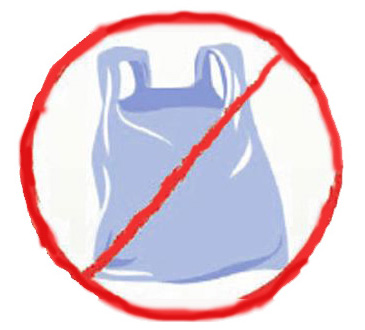
• They should tax or ban the use of plastic bags.
What are the responsibilities of manufacturers in reducing plastic and other solid waste?
• They should produce recyclable packaging and products.
• They should feel responsible for recycling.
• They should produce reusable products instead of single-use products.
• They should implement a deposit system.
What are the responsibilities of individuals in reducing plastic and other solid waste?
• Remember that land and sea are interconnected.
• Never litter in places other than proper bins (on the street, riverbank, or in the sea).
• Buy products that require minimal packaging.
• Minimize plastic waste by minimizing its consumption.
• Avoid using disposable cups, plates, and other utensils. Eat meals in non-disposable containers.
• Avoid using plastic bags; prefer reusable mesh bags and pouches.
• Choose products made from recycled materials.
• Choose clothing and fabrics made from natural fibers, as synthetic ones break down over time, leading to the formation of microplastics.
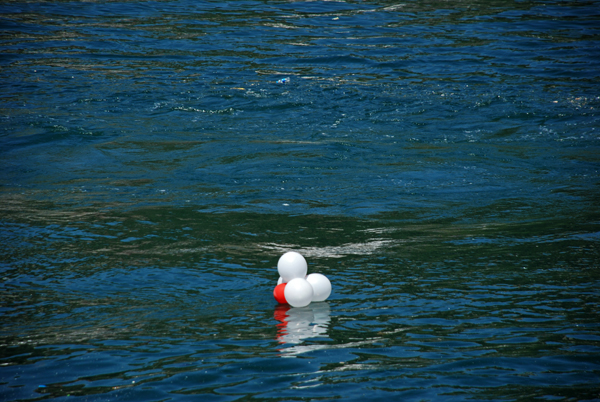
• Avoid releasing balloons or wish lanterns into the air, as these items soon end up as waste on land and in the sea.
Fishing, yachting, and various water sports should be practiced responsibly.
• Support environmentally responsible marinas.
• Raise awareness among friends and family about keeping coasts and oceans clean.
• Participate in cleaning beaches and other areas.
Additional information:
Some countries are taking various measures to reduce plastic consumption. For example, Ireland made plastic bags subject to a fee in 2002, and according to 2012 data, plastic bag use decreased by 90%.
In Turkey, some municipalities have banned the use of plastic bags in markets and businesses. For instance, Akyaka Municipality launched a "Say No to Plastic Bags" campaign, and with a decree that came into effect on January 1, 2012, the use of plastic bags by businesses and market vendors was banned. To support this campaign, women also participated in a course within the municipality and knitted mesh bags. Similarly, Seferihisar Municipality banned the use of plastic bags in organic markets and made the use of reusable bags and mesh bags mandatory. If these efforts by other municipalities are adopted, millions of plastic bags will not end up in nature and will not affect the life there.
Plastic waste makes up 60% to 80% of marine debris.
It is estimated that between 100 and 150 million tons of plastic waste float in oceans and seas. An additional 6.5 million tons are added each year. According to the UN Environment Programme, there are an average of 13,000 pieces of plastic per square kilometer in the open sea. Currents distribute this waste to every corner of the world.
When plastics reach the sea as waste, their high decomposition temperatures and resistance to ultraviolet rays and bacteria allow them to survive in the oceans for centuries, posing significant threats to humans, wildlife, and ecosystems.
When plastics are subjected to physical abrasion, they gradually break down into much smaller particles called microplastics (less than 5mm in radius). Most of these are synthetic fibers from textiles or catalyst particles from detergent, cosmetic, and chemical production, plastic bag particles (including those that are 100% biodegradable), particles that wear down from tires, and plastic waste released from grinding and chipping processes. These microplastic wastes are carried into rivers and seas by sewage or rainwater.
Why is plastic waste a problem?
It's a threat to the natural environment and ecosystem:
• Microplastic waste floating in the water is ingested by many different organisms. The toxic substances within them become a link in the food chain through marine life that swallows these particles, and can even reach humans. Separating these invisible plastics from microscopic marine organisms and cleaning the ocean of this pollutant is not easy at all.
• Macroplastic waste particles that reach the seas can cause death or suffering to marine mammals, sea turtles, reptiles, fish, and seabirds that mistake them for food. For example, turtles can eat plastic bags mistaking them for jellyfish; birds can feed themselves and their young with plastics mistaking them for fish eggs or crabs. Animals whose stomachs are filled by eating waste suffer from starvation and die from malnutrition. The ingested materials can also block the respiratory tract, causing death from suffocation. ( Click here
to watch the documentary about tens of thousands of baby albatrosses that died after eating plastic waste mistaking it for food )
• Marine mammals, including sea turtles, can become entangled in fishing nets left in the sea. While this entanglement doesn't necessarily result in death, it can cause profound suffering for these animals.
( Click here to watch a sperm whale being rescued from fishing nets )
It is a threat to human health:
• Plastic waste in the sea and on coastlines can lead to the spread of harmful chemicals that threaten human health, causing injuries and the spread of infectious diseases.
It negatively impacts the economy:
• Cleaning beaches and seas can be very costly, especially in remote areas where transportation is difficult or infrastructure is lacking.
Polluted seas and beaches don't attract tourists. Fewer tourists mean less income for coastal communities.
• Plastic and other waste released into the sea entangles propellers and anchors, causing costly, and perhaps irreparable, damage to boats.
• Every harm caused by plastic and other waste to the functioning of the ecosystem and the services people provide affects people's livelihoods.
It travels long distances:
Plastic and other solid waste can travel far from their source, carried by ocean currents, waves, winds, and flows. It's even possible to see this waste in pristine areas where people have never lived.
Long-lasting:
Plastic waste threatens natural life, ecosystems, and human health for decades, even centuries.
• Fishing line: 600 years
• Plastic bottle: 450 years
• Diaper: 450 years
• Rubber shoe sole: 50-80 years
• Nylon fabric: 30-40 years
• Plastic bag: 10-20 years
It's difficult to track:
following the route and fate of a piece of plastic waste—where it originated, what happened to it on its journey, and why it ended up where it is—is almost impossible.
If it's out of sight, it's out of reach:
Microplastic waste is invisible to the naked eye because of its small size. Heavy macro-debris beneath the sea also remains out of sight. Both are virtually impossible to remove.
What is the source of plastic and other solid waste reaching the seas and coasts?
Waste found in the seas or on coasts primarily originates from land-based practices, including:
• Improper disposal of solid waste
• Inadequate waste management – ??insufficient collection, transport, treatment, and final discharge
• Discharge of untreated sewage – inadequate treatment plants or strong storms
• Irresponsibly discharged industrial waste – this waste includes production waste scrap, packaging or raw materials, plastic resin granules, and untreated wastewater
• Tourism and recreational activities – the deliberate or unintentional dumping of plastic waste (bags, plastic product packaging, bottles, caps, toys, balloons, etc.) and other solid waste onto beaches
. Land-based waste reaches the sea through streams, canals, sewer outlets, floods, and tidal sweeping.
In addition, marine activities are significant sources of waste, including:
• Commercial fishing – the casting of lines or nets, and styrofoam caught in nets.
• Commercial or independent shipping (large cargo ships, passenger ships, ferries) – wastewater discharges from these ships and cargo dropped into the sea during voyages.
• Recreational shipping (small boats used for fishing, yachts, water sports) – waste such as bottles, wastewater, fishing lines, and sports equipment dumped into the sea.
• Offshore oil and gas platforms – drilling equipment, pipes, barrels, and packaging dumped from them.
• Fish farms – net cages, construction materials, and feed sacks dumped from them.
Furthermore, waste generated on ships is frequently dumped into the sea. The inadequacy of waste management facilities on ships, in ports, and marinas exacerbates the problem.
What are the responsibilities of governments and municipalities in reducing plastic and other solid waste?
• They should enact laws and regulations to reduce plastic and other waste.
• They should improve waste management.
• They should conduct activities that encourage and facilitate recycling. They should hold producers accountable for recycling.
• They should conduct awareness campaigns.
• They should tax or ban the use of plastic bags.
What are the responsibilities of manufacturers in reducing plastic and other solid waste?
• They should produce recyclable packaging and products.
• They should feel responsible for recycling.
• They should produce reusable products instead of single-use products.
• They should implement a deposit system.
What are the responsibilities of individuals in reducing plastic and other solid waste?
• Remember that land and sea are interconnected.
• Never litter in places other than proper bins (on the street, riverbank, or in the sea).
• Buy products that require minimal packaging.
• Minimize plastic waste by minimizing its consumption.
• Avoid using disposable cups, plates, and other utensils. Eat meals in non-disposable containers.
• Avoid using plastic bags; prefer reusable mesh bags and pouches.
• Choose products made from recycled materials.
• Choose clothing and fabrics made from natural fibers, as synthetic ones break down over time, leading to the formation of microplastics.
• Avoid releasing balloons or wish lanterns into the air, as these items soon end up as waste on land and in the sea.
Fishing, yachting, and various water sports should be practiced responsibly.
• Support environmentally responsible marinas.
• Raise awareness among friends and family about keeping coasts and oceans clean.
• Participate in cleaning beaches and other areas.
Additional information:
Some countries are taking various measures to reduce plastic consumption. For example, Ireland made plastic bags subject to a fee in 2002, and according to 2012 data, plastic bag use decreased by 90%.
In Turkey, some municipalities have banned the use of plastic bags in markets and businesses. For instance, Akyaka Municipality launched a "Say No to Plastic Bags" campaign, and with a decree that came into effect on January 1, 2012, the use of plastic bags by businesses and market vendors was banned. To support this campaign, women also participated in a course within the municipality and knitted mesh bags. Similarly, Seferihisar Municipality banned the use of plastic bags in organic markets and made the use of reusable bags and mesh bags mandatory. If these efforts by other municipalities are adopted, millions of plastic bags will not end up in nature and will not affect the life there.


